As legalization expands and dispensary shelves fill with similar flower, vapes, and edibles, the brands that stand out sell more than THC. They sell identity. These companies shape daily rituals, visual style, shared values, and real community. That approach is what defines a cannabis lifestyle brand.
This shift (from product-first thinking to lifestyle-driven branding) separates brands that compete on price from brands that earn loyalty. A cannabis lifestyle brand connects with people on a personal level. It answers two clear questions: Who is this for? and What does this brand stand for?
In this guide, we’ll break down what makes an engaging cannabis lifestyle brand, why this model matters in today’s market, and how businesses can grow from selling products to building a movement people want to join.
What is a Cannabis Lifestyle Brand?
Leading cannabis lifestyle brands go beyond the product. While traditional cannabis brands focus on potency, strain genetics, and price, lifestyle-focused brands concentrate on how cannabis fits into a person’s daily life.
This approach centers on clear, human factors such as:
Daily rituals and use cases – When, why, and how people consume.
Visual culture and design language – Packaging, tone, and creative direction.
Community and shared experiences – Connection beyond the point of sale.
Content, storytelling, and education – Guidance that builds trust and understanding.
A lifestyle brand doesn’t position cannabis as a commodity. It presents cannabis as part of a routine, a mindset, or a personal philosophy. The brand communicates a clear point of view and invites customers to see themselves in it.
Here’s the difference in practice. One customer buys cannabis because it’s discounted. Another chooses the same brand repeatedly because it reflects their wellness habits, creative work, or personal values. That emotional alignment is what turns one-time buyers into long-term brand supporters.
Why Lifestyle Branding is Critical in Cannabis
The cannabis industry is becoming commoditized. As legal markets mature, product differences narrow, prices drop, and new brands enter quickly. In this environment, competing on product features alone creates short-term wins, not lasting growth. Building a premium cannabis lifestyle brand provides long-term protection against these pressures.
Here’s why lifestyle branding matters now:
Stronger brand loyalty. Lifestyle brands create emotional alignment, not one-time transactions. Customers return because they identify with the brand’s values, tone, and purpose. Price matters less when people feel understood and represented.
Expanded revenue opportunities. A cannabis lifestyle brand can grow beyond THC products. Apparel, accessories, digital content, events, media projects, and collaborations open new income streams. These extensions often carry higher margins and face fewer regulatory limits than cannabis sales alone.
Cultural normalization. Lifestyle branding places cannabis into daily routines instead of fringe spaces. It connects cannabis with wellness habits, creative work, design preferences, and personal expression. This framing helps cannabis feel familiar, responsible, and socially accepted.
Platform resilience. Advertising rules shift often, and paid channels remain limited. Brands with owned audiences (email lists, social followings, blogs, and community spaces) retain control. A lifestyle-led approach allows brands to grow even when paid promotion options shrink.
The Core Building Blocks of a Cannabis Lifestyle Brand
Creating a cannabis lifestyle brand requires clear choices and consistent execution. This shift does not happen by accident. Brands that succeed define their purpose early and reinforce it across every customer touchpoint.
The most effective lifestyle brands share a set of core building blocks. These elements guide how the brand looks, sounds, and connects with people over time. When aligned, they turn a cannabis business into a recognizable presence with staying power.
The sections below break down the foundational components that support long-term growth, audience trust, and cultural relevance.
Brand Positioning and Story
Every lifestyle brand begins with a clear cultural position. Without it, the brand blends in and competes on price instead of meaning.
Start by defining the role cannabis plays in your customer’s life:
Does your brand support relaxation, focus, creativity, connection, or wellness?
What moments or routines does cannabis fit into?
What belief or perspective does your brand stand for that others ignore or avoid?
Strong brand positioning answers these questions in direct language. It removes guesswork for both your audience and your team.
Your brand story should explain why the company exists beyond selling cannabis. This story sets direction for messaging, content, partnerships, and creative choices. When the story stays consistent, customers know what to expect and why the brand feels familiar over time.
Visual and Verbal Identity
Strong lifestyle brands are easy to recognize. A cannabis brand should feel familiar the moment someone sees or hears it.
That recognition comes from consistency across key elements:
Typography, color palettes, and photography that follow a clear visual system.
Packaging that feels collectible, intentional, and worth keeping.
A brand voice that sounds human, confident, and culturally aware.
Visual and verbal identity must stay aligned across every touchpoint. Website copy, social captions, email subject lines, and packaging should all feel connected. When each interaction reflects the same tone and look, the brand feels credible and established.
This consistency builds trust. It helps customers recognize the brand quickly and understand what it represents without explanation.
Product as the Entry Point (Not the End Goal)
Products often create the first interaction, but they shouldn’t set the ceiling for growth. In lifestyle-driven cannabis brands, products open the door to a broader relationship.
Many established brands extend beyond THC through offerings such as:
Apparel and accessories that express identity.
Home goods and ritual tools that support daily routines.
Wellness products and non-THC options that fit regulated or cannabis-free settings.
These extensions keep the brand present in everyday life. Customers can engage with the brand at work, at home, or during personal routines, and without needing to consume cannabis in that moment.
When products act as an entry point instead of an end goal, the brand gains more touchpoints, more relevance, and more opportunities to build trust over time.
Content, Editorial, and Media
Content drives connection in lifestyle-focused cannabis brands. It’s how brands move from selling products to shaping habits, values, and community.
Instead of relying only on promotions, leading brands create:
Long-form editorial pieces that explore culture, wellness, and creativity.
Educational guides and ritual suggestions that show how cannabis fits into daily life.
Videos, podcasts, and newsletters that engage audiences on multiple platforms.
Cultural commentary and interviews that position the brand as informed and relevant.
By functioning like a media company, the brand earns attention organically. This approach builds trust, strengthens loyalty, and gives customers reasons to return beyond a single purchase.
Community and Events
Strong brands create movements, and movements are built through participation. Community is where engagement turns into loyalty.
Effective community-building strategies include:
Private member groups or Discord channels that foster ongoing conversation.
Brand-hosted events and workshops that create shared experiences.
Influencer-led meetups or panels that amplify reach and credibility.
User-generated content campaigns that encourage audience contribution.
The objective is simple: create spaces (both online and offline) where your audience feels acknowledged, involved, and connected. When people feel part of a community, they interact with the brand more deeply and become advocates for its lifestyle.
Retail and Experiential Design
Retail spaces are one of the strongest tools for communicating a brand’s story. In cannabis, thoughtful design can turn a simple transaction into a memorable experience.
Well-executed dispensaries, pop-ups, and brand activations let customers engage with the brand physically. Every detail (from lighting and music to staff tone, signage, and layout) reinforces the lifestyle the brand promotes.
When done right, retail shifts from being purely transactional to fully immersive. Customers don’t just buy cannabis; they experience the brand, its values, and its culture firsthand. This connection strengthens loyalty and makes the brand feel tangible in everyday life.
Partnerships and Cultural Collaborations
Strategic partnerships amplify a brand’s relevance and reach. Collaborations show that the brand belongs in broader cultural conversations.
Working with artists, designers, musicians, wellness practitioners, or complementary brands can:
Extend audience reach by tapping into new communities.
Enhance credibility through association with respected collaborators.
Reinforce brand positioning by aligning with shared values and aesthetics.
The most effective collaborations feel natural. When the partnership aligns with the brand’s identity, it resonates authentically with both existing and new audiences. Forced or mismatched collaborations, on the other hand, can confuse customers and dilute brand perception.
Compliance Without Killing Creativity
Cannabis brands operate in a tightly regulated market, but lifestyle brands find ways to stay compliant while still being creative. Regulations don’t have to limit brand expression; they can guide it.
Many lifestyle-focused strategies (editorial content, merchandise, events, and community experiences) exist outside traditional advertising restrictions. This allows brands to expand visibility and engagement safely, without risking fines or penalties.
The most effective brands view compliance as a design constraint, not a roadblock. By embracing regulations as part of the creative process, they produce innovative campaigns that connect with audiences while staying fully legal.
A Step-by-Step Roadmap: From Product to Movement
Transforming a cannabis company into a full-fledged lifestyle brand happens in clear phases. Here’s a practical roadmap:
Phase 1: Define Your Cultural Territory
Identify your audience, brand values, and unique point of view. This clarity guides every decision, from messaging to product extensions.
Phase 2: Build Lifestyle Extensions
Launch content, merchandise, or experiences that reflect your brand identity. These extensions keep the brand present in daily life beyond the product itself.
Phase 3: Activate Community
Create touchpoints for real interaction: events, digital forums, collaborations, and user-generated campaigns. Engagement builds loyalty and trust.
Phase 4: Measure and Refine
Track metrics that show meaningful connections: repeat customers, community growth, engagement rates, and brand sentiment (not just sales figures). Use insights to iterate and strengthen the brand over time.
How to Measure a Cannabis Lifestyle Brand’s Success
Measuring the impact of a lifestyle-focused cannabis brand goes beyond tracking sales. Key performance indicators (KPIs) show whether your brand is connecting with people and becoming part of their daily lives:
Repeat purchase rate and customer lifetime value – Do customers return and engage over time?
Email and community growth – Are audiences expanding in owned channels?
Content engagement and time-on-site – Are people interacting with your brand’s stories and resources?
Merchandise attach rate – Are lifestyle extensions resonating with your audience?
Event attendance and feedback – Are experiences building loyalty and satisfaction?
Lifestyle brands succeed when people choose them consistently, not just once. These metrics reveal how effectively your brand has moved from product-first to lifestyle-driven engagement.
Common Pitfalls to Avoid
Even the most promising cannabis brands can stumble if they mismanage lifestyle branding. Avoid these common mistakes:
Trying to appeal to everyone instead of focusing on a clear niche.
Over-prioritizing aesthetics without meaningful substance behind the design.
Ignoring the community in favor of constant promotion or product pushes.
Treating lifestyle branding as a short-term campaign rather than a long-term strategy.
Authenticity compounds over time. Quick fixes or shortcuts may create temporary attention, but they won’t build lasting connections or loyalty. A cannabis lifestyle brand thrives when it stays true to its values, audience, and story.
Final Word
The most successful cannabis brands of the next decade won’t be measured by THC percentages or the number of SKUs. They’ll be measured by culture, community, and the loyalty they inspire.
By focusing on identity, storytelling, community, and experiences, your cannabis business can evolve into a cannabis lifestyle brand. One that doesn’t just sell products, but creates a movement people are proud to be part of.
If you’re ready to elevate your brand, Custom 420 Supply can help. Our in-house team specializes in custom cannabis packaging and label design, ensuring your products reflect your brand’s identity and resonate with your audience.
Want to learn more? We invite you to reach out through our contact page today!
Frequently Asked Questions
What defines a cannabis lifestyle brand, and how does it differ from a traditional cannabis brand?
A cannabis lifestyle brand goes beyond selling products; it builds an identity, values, and a sense of community around cannabis use. Unlike traditional brands that focus on potency, strain, and price, lifestyle brands prioritize daily rituals, storytelling, visual culture, and emotional connection. They aim to integrate into customers’ lives, making the brand a reflection of personal identity and values.
How can a cannabis lifestyle brand build a community and culture around its products?
Cannabis lifestyle brands build community by creating spaces for interaction, both online and offline. Strategies include hosting events, workshops, and pop-ups, running private groups or forums, encouraging user-generated content, and collaborating with influencers or cultural partners. These initiatives foster engagement, loyalty, and a shared identity that turns customers into active participants in the brand’s culture.
What marketing strategies are most effective for positioning a cannabis lifestyle brand in today's market?
Effective strategies focus on storytelling, content, and experiences rather than just promotion. Key tactics include: publishing educational and editorial content, producing videos or podcasts, designing memorable packaging, offering lifestyle-oriented merchandise, activating communities through events or digital platforms, and forming aligned partnerships. Combining these approaches creates emotional connection, cultural relevance, and long-term loyalty.
Crafting a compelling cannabis marketing strategy begins with storytelling. In an industry with strict advertising regulations, your brand story is the most effective way to connect with consumers.
Customers don’t just buy products; they seek trust, authenticity, and a sense of meaning. A well-told narrative can help your cannabis brand identity stand out, build loyalty, and create lasting connections with your audience.
In this article, we’ll explore how to tell your cannabis brand story, from defining your mission and values to using multiple channels for sharing your message. By the end, you’ll have a practical roadmap for integrating storytelling into your broader marketing strategy.
Why Brand Storytelling Matters in Cannabis Marketing
Cannabis brands face unique challenges compared to other industries: strict regulations, limits on direct product promotion, and lingering stigma. In this environment, brand storytelling isn’t just a marketing tactic; it’s essential.
Connect emotionally – Consumers respond to authenticity and human stories more than product features.
Build trust – Being transparent about your mission, values, and origins helps overcome skepticism.
Stand out – In a crowded market, a unique story makes your cannabis brand memorable.
By incorporating storytelling, your cannabis business marketing strategy shifts from transactional to relational, turning casual buyers into loyal advocates.
Core Elements of Your Cannabis Brand Story
Origin Story
Your origin story answers a key question: Why does your brand exist?
Founder background – Share your personal journey and what inspired you to enter the cannabis industry.
Mission-driven focus – Highlight challenges, breakthroughs, or experiences that shaped your vision.
A compelling origin story humanizes your brand and creates the emotional foundation for your cannabis marketing strategy.
Mission, Values, and Differentiators
In cannabis brand storytelling, you should clearly communicate:
Mission – What does your brand aim to achieve beyond selling products?
Values – Emphasize sustainability, community impact, wellness, or innovation (values that resonate with consumers).
Differentiators – Explain what sets your brand apart. Is it premium quality, ethical sourcing, or a unique approach to wellness?
These elements reinforce authenticity and help consumers connect with your brand on a deeper level.
Audience and Positioning
A story only works if it resonates with your audience. Define:
Target market – Are you serving medical patients, recreational users, or wellness-focused consumers?
Brand positioning – How does your story align with their lifestyle, values, and needs?
When your narrative aligns with your audience, your strategy becomes more focused, engaging, and effective.
Crafting Your Narrative Framework
After defining your brand story elements, the next step is structuring your narrative for maximum impact.
Story arc basics – Introduce your brand, highlight a challenge or opportunity, and show how your brand creates meaningful impact.
Emotion and authenticity – Share real experiences instead of relying on marketing clichés.
Micro-stories: Use short, relatable anecdotes to illustrate your brand values and mission.
A clear narrative framework ensures consistency across all channels, making a digital marketing strategy for cannabis brands more cohesive and memorable.
Telling Your Brand Story Across Channels
Your brand story comes to life when shared consistently across multiple channels. Here’s how to approach it:
Website
Your website acts as the central hub for your narrative.
About page – Clearly share your mission, origin story, and values.
Blog content – Publish behind-the-scenes insights, educational resources, and milestones to reinforce your brand story.
Social Media
Social platforms offer a powerful way to engage your audience.
Visual storytelling – Use lifestyle images, founder content, and culture-focused posts to humanize your brand.
Compliance-conscious content – Focus on education, wellness, and community impact, avoiding direct product promotion.
Email Marketing and Owned Media
Owned channels let you create deeper connections with your audience.
Newsletters – Share stories about your team, brand initiatives, and industry insights.
SMS updates – Highlight community involvement, upcoming events, or special initiatives.
Events, Local Partnerships, and Community Engagement
Real-world experiences strengthen your narrative.
Participate in local events, sponsor wellness initiatives, or partner with community organizations.
Showcase your brand’s impact in real life to reinforce authenticity and build loyalty.
Supporting Your Story with Visual and Sensory Branding
A cannabis brand marketing strategy extends beyond words; it’s a complete sensory experience.
Visual identity – Use logos, colors, and typography that reflect your narrative and brand values.
Packaging – Thoughtful design communicates your mission, personality, and attention to quality.
Sensory language – Describe experiences in ways that resonate with your audience and align with your brand’s purpose.
Maintaining consistent visuals and messaging across all touchpoints strengthens the emotional connection and makes your strategy more impactful.
Measuring the Impact of Your Brand Story
Tracking how effectively your brand story resonates is essential. Key metrics include:
Engagement – Social shares, comments, and newsletter interactions.
Retention – Repeat customers and participation in loyalty programs.
Qualitative feedback – Testimonials, community sentiment, and event involvement.
Regularly monitoring these metrics allows you to refine your cannabis marketing strategy, ensuring your storytelling drives real impact and strengthens audience connections.
Final Word
Storytelling sits at the core of an effective cannabis marketing strategy. When you clearly define your origin, mission, values, and audience (and share that story consistently across channels), you create trust, recognition, and long-term brand loyalty in a crowded market.
If you’re ready to strengthen your brand story, start by auditing your current messaging, tightening your narrative framework, and aligning every touchpoint with your core values. Visual execution matters just as much as words. Packaging, design, and presentation often shape the first impression before a single sentence is read.
That’s where Custom 420 Supply can help. Our in-house design team specializes in custom cannabis packaging and brand design that reflects who you are and what your brand stands for. Want to learn more? We invite you to contact us today.
Frequently Asked Questions
What are the essential components of a cannabis marketing strategy?
The essential components of a cannabis marketing strategy include brand storytelling, audience targeting, compliant messaging, visual identity, and performance tracking. Together, these elements help cannabis brands build trust, communicate values, and connect with consumers across multiple channels.
How can cannabis brands stay compliant while executing their marketing strategy?
Cannabis brands can stay compliant by focusing on education, wellness, and community impact rather than direct product promotion. Following state and platform-specific advertising rules, using age-gated content, and avoiding health or medical claims also help reduce risk while supporting a compliant cannabis marketing strategy.
How do cannabis marketing strategies differ across online and offline channels?
Online cannabis marketing strategies rely on content marketing, social media storytelling, email, and owned platforms due to advertising restrictions. Offline strategies focus more on packaging, in-store experiences, events, and community partnerships. Both approaches should support the same brand story while adapting to channel-specific rules and audience behavior.
The cannabis industry is booming, and entrepreneurs are taking notice. If you’re wondering how to start a cannabis brand, you’re stepping into a market full of opportunity.
However, it’s not as simple as growing a plant or selling a product. Successful cannabis brands require careful planning,compliance with local or national regulations, strategic branding, and smart business operations.
This guide will walk you through how to start a cannabis brand from scratch. You’ll learn how to:
Even if you’re new to the cannabis industry, by the end, you’ll have a clear roadmap to create and grow your own cannabis brand.
Before you dive in, grab our freeCannabis Brand Launch Checklist, a complete, step-by-step guide designed to help new founders launch their cannabis brand the right way and avoid costly mistakes.
The legal cannabis market has grown rapidly over the last decade. If you’re learning cannabis brand strategy, understanding the industry landscape is essential.
Globally, legal cannabis salestotaled $30.1 billionin 2024, driven by recreational, medical, and wellness segments. Consumers are shifting beyond traditional flower to value-added products like edibles, concentrates, vapes, topicals, and functional wellness products.
Regulations vary widely by region. In the U.S., each state sets its own rules for cultivation, processing, distribution, and retail. There is no uniform federal standard, so a strategy that works inCaliforniamay not apply inNew Yorkor other states. In Canada, provincial laws govern distribution and retail, while international markets may have completely different frameworks for medical or CBD products.
Knowing the market landscape helps you identify where your brand can operate legally, which products are in demand, and how consumer preferences are evolving. This knowledge is critical to building a compliant, competitive, and profitable cannabis brand.
Step 1: Decide What Kind of Cannabis Brand You’ll Build
The first major decision you’ll make for your cannabis business is choosing your business model and product focus. This choice will shape your operations, licensing needs, startup costs, and marketing strategy.
Product Types
Cannabis brands can focus on one or more of the following:
Flower & Pre-Rolls–Traditional cannabis products, often high in tetrahydrocannabinol (THC) for recreational use or high in cannabidiol (CBD) for wellness and therapeutic purposes.
Vapes & Concentrates– Oils, distillates, shatter, or cartridges for inhalation. Popular among experienced consumers.
Edibles & Beverages– Gummies, chocolates, drinks, or infused foods that provide discreet and convenient consumption options.
Topicals & Wellness Products– Lotions, balms, tinctures, or non-intoxicating CBD products targeting health and wellness markets.
CBD or Hemp Products– Often legal across state lines, making them suitable for e-commerce, supplements, and wellness-focused brands.
Business Models
Your business model determines how you operate and generate revenue. Common approaches include:
Vertically Integrated– You handle cultivation, manufacturing, and retail. Offers higher margins but requires significant capital and regulatory compliance.
White-Label / Co-Packing– You brand and market products manufactured by another licensed company. Lower upfront costs and faster time-to-market.
Brand-Only / Licensing– Focus solely on marketing and sales, licensing your brand to manufacturers while minimizing operational responsibilities.
Retail or Delivery Brand– Operates dispensaries or delivery services and sells branded products directly to consumers.
Choosing the right model depends on your startup capital, desired control, regulatory feasibility, and target market. Many first-time entrepreneurs start with white-label or co-packing models because they reduce operational risk while still allowing strong brand-building.
Step 2: Research and Market Validation
Before investing time and money, it’s essential to validate your idea. Market research ensures there’s demand for your products and that your business can operate legally and competitively.
Identify Your Target Customers and Use Cases
Understanding your customers is critical. Ask who will buy your products and why:
Medical patients– Seek therapeutic benefits, strain-specific effects, and consistent dosing.
Recreational users– Look for convenience, flavor, potency, and an engaging brand experience.
Wellness enthusiasts– Interested in CBD, functional formulations, or adaptogenic products for daily health and relaxation.
Conduct Competitive Research
Analyze existing products, pricing, and packaging in your target market. Look for gaps or opportunities:
Are certain effects, flavors, or formats underrepresented?
Which distribution channels (retail, delivery, or e-commerce) are underserved?
What packaging or branding trends are resonating with consumers?
Understand Regulatory Requirements
Compliance is non-negotiable in the cannabis industry. Research your local rules:
Check licensing windows and application requirements for cultivation, manufacturing, or retail.
Understand zoning laws for dispensaries, cultivation sites, or processing facilities.
Learn advertising restrictions, labeling rules, and what health claims are allowed.
Tip:Most states provide starter kits or official guidance online detailing compliance requirements. Start with your local government resources to save time and avoid costly mistakes.
Step 3: Build a Cannabis-Specific Business Plan
A solid business plan is essential when learning the best practices for cannabis business strategy. It helps you outline your strategy, secure funding, and ensure compliance in a highly regulated industry. Your plan should include the following components:
Core Sections of Your Business Plan
Executive Summary– Your vision, target market, and growth strategy.
Market Analysis– Key trends, consumer behavior, and competitive landscape.
Product Mix– The products you’ll sell, formulations, and branding approach.
Operations Plan– Production processes, supply chain management, and staffing.
Compliance Plan– Licensing requirements, product testing, and standard operating procedures (SOPs).
Security Plan– Surveillance, access control, and recordkeeping measures.
Financial Model– Startup costs, projected revenue, and unit economics.
Exit Strategy– Plans for acquisition, licensing, or scaling your brand.
Costs vary depending on your business model, product type, and local regulations, so plan accordingly.
Key Performance Indicators (KPIs) to Track
Monitoring KPIs before and after launch helps ensure your cannabis brand stays on track:
License approval timelines
Product testing pass rates
Marketing engagement metrics
Sales conversions and profit margins
Step 4: Licensing, Permits, and Compliance
Understanding cannabis branding for startups means knowing that licensing and compliance are non-negotiable. Requirements vary widely by state, province, or country, so it’s critical to follow your local regulations carefully.
Common Licensing and Permit Requirements
Most jurisdictions require some combination of the following:
State or provincial cannabis license for cultivation, manufacturing, or retail
Local zoning approval for your facility or dispensary
Facility plans with security protocols
Standard operating procedures (SOPs) for production and safety
Supply-chain records and batch tracking
Owner background checks and proof of financial stability
Ongoing Compliance Obligations
After licensing, maintaining compliance is an ongoing responsibility:
Seed-to-sale reporting to track all products
Product testing and quality assurance for safety and potency
Packaging and labeling standards, includingchild-resistantand regulated labeling
Advertising restrictions, including social media and online promotions
Expert Guidance
Hiring a cannabis attorney or compliance consultant is strongly recommended, especially for vertically integrated or white-label operations. Mistakes in licensing or compliance can be costly, and in some cases, they can shut your business down entirely.
Step 5: Operations and Tech Stack
A robust operations setup and technology stack are essential when learning the cannabis industry, helping you stay compliant, efficient, and ready to scale:
POS & Inventory Systems– Use seed-to-sale compliant platforms to track products from production through retail. These systems streamline inventory management, reporting, and regulatory audits.
Security & Surveillance– Implement cameras, alarms, access control, and data retention policies. Many jurisdictions require these measures to protect your products and comply with regulations.
Facilities– Define the purpose of your space (cultivation, manufacturing, or distribution), as this affects equipment, licensing, and workflow design.
Vendors– Carefully evaluate co-packers, processors, and testing labs for reliability, regulatory compliance, quality standards, and turnaround times. Strong vendor relationships support consistent product quality and operational efficiency.
Step 6: Supply Chain, Sourcing, and Manufacturing
Building a reliable supply chain is critical when learning how to start a cannabis brand. Every decision impacts product quality, compliance, and brand reputation:
Grow vs. Contract vs. Third-Party Manufacturing– Decide whether to cultivate in-house, work with a contract grower, or use third-party manufacturers. Consider the trade-offs between control, cost, and scalability.
Quality Control– Mandatory testing ensures potency, consistency, and safety by checking for contaminants and verifying product specifications. Strong quality control builds consumer trust and protects your brand.
Packaging & Child-Resistant Compliance– All products must meetlabeling requirements, include THC warnings, and use tamper-evident packaging. Sustainable packaging can also enhance your brand image and appeal to environmentally conscious consumers.
Step 7: Brand, Packaging, and Marketing
Brand Positioning
Your positioning should focus on trust, compliance, and clarity. Key elements include:
Compliance-first messaging that aligns with regulations
Educating consumers on product benefits and safe usage
Clearly communicating product advantages and differentiators
Packaging Pitfalls
Packaging must meet regulatory requirements while supporting your brand image:
Wholesale and retail outreach to expand your distribution network
Go-To-Market Options
Determine the best distribution methods for your products:
Retail dispensaries
Direct-to-consumer sales (where legal)
E-commerce platforms
Delivery services to reach local customers efficiently
Step 8: Sales Channels and Distribution Strategy
Choosing the right sales channels and distribution methods is a key step in your cannabis business. Your approach affects revenue, brand visibility, and compliance.
Retail Partnerships
Work with dispensaries or retail partners to expand your reach:
Negotiate margins, slotting fees, and demo or sample policies
Build relationships that increase product placement and brand awareness
Own Retail / Delivery
Direct-to-consumer channels help strengthen your brand:
Selling through your own retail store or delivery service creates closer customer relationships
Increases brand loyalty and control over the customer experience
B2B Distribution
Expand your reach through business-to-business agreements:
Sell products to other brands or dispensaries under white-label arrangements
Enables faster growth without owning all production or retail operations
Step 9: Finance, Fundraising, and Unit Economics
Understanding the financial side is critical when learning how to get into the cannabis industry. Proper funding, cost management, and unit economics determine whether your business can grow sustainably.
Startup Costs and Funding Sources
Cannabis businesses often require significant upfront investment. Common funding sources include:
Personal capitalfrom savings or existing assets
Friends, family, or angel investorsfor early-stage funding
Specialized cannabis lenderswho understand the industry’s regulatory risks
Strong financial management protects your brand and ensures long-term success:
Track costs, cash flow, and profit margins carefully
Banking can be challenging in regions where cannabis remains federally restricted, so plan accordingly
Tax planning is essential, particularly in the U.S., where Section 280E limits deductions for cannabis businesses
Step 10: Risk Management and Social Responsibility
Managing risk and prioritizing social responsibility are essential for this business. These practices protect your business, customers, and reputation.
Risk Mitigation
Product liability insuranceto cover accidents or claims
Recall procedures and SOPsto respond quickly to quality or safety issues
Regulatory compliance monitoringto ensure ongoing adherence to local, state, and national rules
Social Responsibility
Ethical partnerships and transparencyin sourcing and operations
Community engagementthrough education, events, or sponsorships
Harm reduction and responsible use messagingto promote safe consumption
Brands that prioritize safety, transparency, and ethical practices earn consumer trust and loyalty, laying the foundation for long-term success.
Final Word
Launching a cannabis brand is challenging, but with careful planning, compliance, and strategic branding, it’s entirely achievable. Success depends on thorough market research, efficient operations, reliable supply chain management, and building a trustworthy, recognizable brand.
If you need help selecting sustainable, child-resistant, and fully compliant cannabis packaging, Custom 420 Supply can support your launch. Our expertise ensures your products meet regulatory standards while looking professional and appealing on shelves.
Contact us todayto get started with packaging solutions that help your cannabis brand shine and stand out in the market.
What budget and resources are required to build a compliant cannabis brand?
Building a compliant cannabis brand typically requires significant capital, depending on your business model. Startup costs can range from $50,000 for a white-label or co-packing operation to over $500,000 for vertically integrated cultivation and retail. Key resources include licensing, legal support, facilities, POS and seed-to-sale systems, testing labs, packaging, marketing, and trained staff. Budgeting for regulatory compliance and quality control is essential.
How do you measure the success of a cannabis branding strategy?
Success can be measured by multiple metrics, including brand awareness, consumer trust, sales conversions, repeat purchase rates, and engagement on marketing channels like social media, email, and events. Compliance and consistent product quality also reflect branding effectiveness, as a trusted, transparent brand builds long-term loyalty.
What are common mistakes to avoid when launching a cannabis brand?
Common pitfalls include ignoring licensing and compliance requirements, underestimating startup costs, failing to conduct market research, overcomplicating supply chains, using non-compliant packaging, and neglecting branding or marketing strategy. Partnering with experienced vendors and staying informed about local regulations helps mitigate these risks.
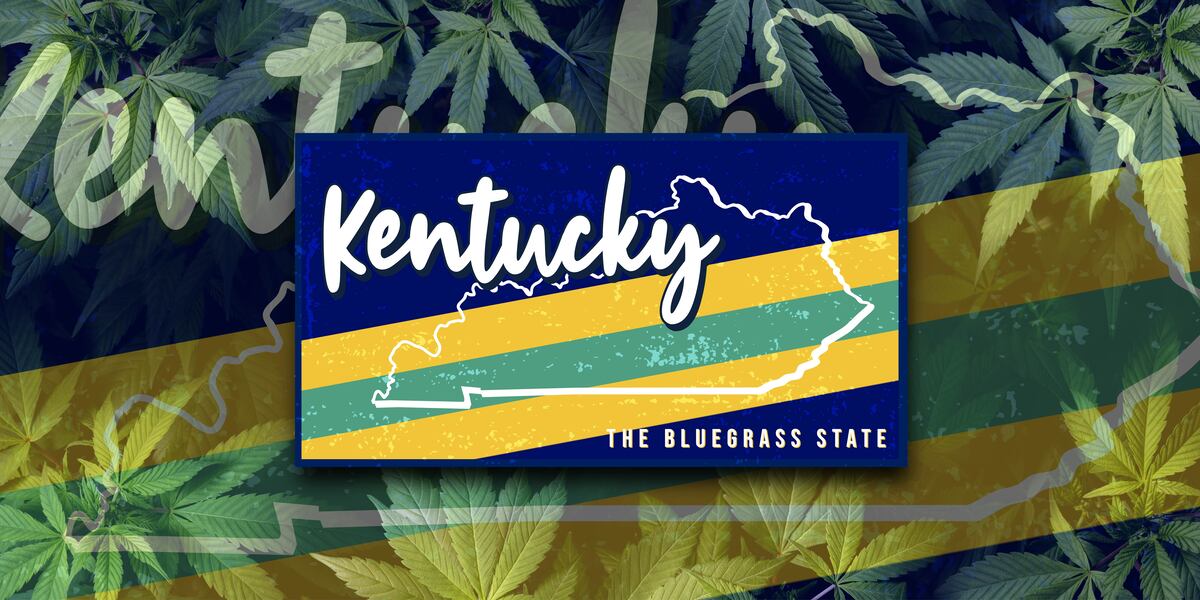
As the Bluegrass State’s medical cannabis program grows, businesses must follow strict Kentucky marijuana packaging regulations. These rules protect patient safety, ensure legal compliance, and maintain consistent industry standards.
Whether you run a cultivation facility, processing operation, or dispensary, knowing these regulations helps you operate legally and responsibly in the state.
Legal Framework Governing Packaging
Kentucky’s medical cannabis packaging rules are based on the Kentucky Revised Statutes (KRS 218B.140) and the Kentucky Administrative Regulations (915 KAR 1:100). These laws require packaging to be child-resistant, tamper-evident, and easy to read. They also prohibit designs that might appeal to minors.
Medical cannabis packaging must also meet federal safety standards for child-resistant containers, as set under 15 U.S.C. §§ 1471–1476. Following both state and federal rules ensures products are safe and compliant.
Key Packaging Requirements
Kentucky marijuana packaging regulations include several key rules:
Child-Resistant Features – All cannabis products must use packaging that prevents children from easily accessing the contents.
Tamper-Evident and Weather-Resistant Materials – Packaging must show if it has been opened and protect the product from damage caused by heat, moisture, or light.
Legibility and Labeling Standards – Labels must be clear, easy to read, and printed in a font at least one-sixteenth of an inch tall.
Prohibition of Child-Attractive Elements – Packaging cannot use cartoons, bright colors, or any designs meant to appeal to minors.
Following these rules ensures compliance and builds trust with both patients and regulators.
Labeling Specifications
Following Kentucky cannabis labeling standards is essential for compliance and patient safety. Labels must include:
Product Identity – The strain, type, or category of the cannabis product.
THC and CBD Content – Clear information on cannabinoid levels.
Batch Number and Expiration Date – For traceability and safety.
Instructions and Safety Warnings – Guidance for proper use and potential risks.
Some businesses also add QR codes to share extra product information. Kentucky allows voluntary submission of packaging for compliance review, which can help prevent enforcement issues.
Special Considerations for Edibles and Beverages
Edible and beverage cannabis products have extra labeling requirements. Labels must show:
Nutritional information
Allergen warnings
Follow general food labeling rules
Accurate labeling is critical to prevent safety risks and avoid regulatory penalties.
Compliance and Enforcement
The Kentucky Office of Medical Cannabis enforces packaging regulations with inspections, audits, and a seed-to-sale tracking system. Failing to comply can lead to:
Fines
License suspension
License revocation
Businesses should keep detailed records of packaging and labeling processes to stay compliant.
Industry Best Practices
To follow Kentucky’s marijuana packaging regulations effectively, businesses should:
Design for Compliance – Use packaging that meets all rules while reflecting your brand.
Stay Updated – Review state guidelines regularly to keep up with any changes.
Engage Regulators – Communicate with the Kentucky Office of Medical Cannabis for guidance and support.
Proactively following these practices helps businesses avoid penalties and build credibility with patients and regulators.
Final Word
Kentucky’s marijuana packaging regulations protect patients and ensure the safe distribution of medical cannabis. From child-resistant packaging to accurate labeling and special rules for edibles, businesses must follow these requirements carefully.
Are you a cannabis business in the Bluegrass State and unsure where to begin with your cannabis packaging? Custom 420 Supply is here to help!
From wholesale packaging options to customized labeling, we help to ensure your product is 100% state-compliant. We invite you to reach out to us through our contact page to learn more.
Frequently Asked Questions (FAQs)
Are Kentucky medical marijuana packages required to have tamper-evident seals?
Yes. Kentucky regulations require all medical cannabis packaging to include tamper-evident features to ensure product safety and prevent unauthorized access.
Does Kentucky require specific font sizes or label placement on cannabis packaging?
Yes. Labels must be legible, with text no smaller than one-sixteenth of an inch, and must be placed so all required information (like THC/CBD content, batch number, and expiration date) is easily visible.
Can Kentucky marijuana packaging display branding or promotional content?
Packaging may include branding, but it cannot contain elements that appeal to children, such as cartoons, bright colors, or promotional messaging that could encourage underage use.
West Virginia cannabis packaging guidelines set clear rules for how medical cannabis products must be stored, labeled, and sold. The state’s medical cannabis program, established under the Medical Cannabis Act (Chapter 16A), focuses on patient safety, product quality, and regulatory compliance. These packaging and labeling rules protect consumers, maintain product integrity, and ensure businesses follow the law.
Legal Authority and Regulatory Framework
The West Virginia Department of Health and Human Resources (DHHR), through the Bureau for Public Health, oversees the state’s medical cannabis program. The Bureau’s Legislative Rule, W. Va. Code R. § 64-110-16, outlines the specific requirements for packaging and labeling medical cannabis products. These regulations apply to all licensed growers/processors and dispensaries operating within the state.
Packaging Requirements
All medical cannabis must be packaged at the grower or processor’s facility before it can be sold. Proper packaging ensures the product remains safe, fresh, and uncontaminated. Requirements include:
Resealable– Packaging must allow the product to stay fresh and uncontaminated after opening.
Each process lot must also have a unique identifier. This ensures traceability and helps track the product from production to sale.
Labeling Requirements
Every package of medical cannabis must have a label approved by the Bureau. Labels must include the following:
Grower/Processor Information– Name, address, and permit number.
Product Details– Form, quantity, weight, number of doses, species, and tetrahydrocannabinol (THC) and cannabidiol (CBD) percentages.
Batch Identification– A unique identifier for the harvest or process lot.
Packaging Information– Packaging date, expiration date, and employee IDs of staff who prepared and shipped the product.
Dispensary Information– Name and address of the dispensary receiving the package.
Storage Instructions– Guidelines to maintain product quality.
Warnings– Statements such as “This product is for medicinal use only,” “Keep out of reach of children,” and “Unauthorized use is unlawful and will subject the purchaser to criminal penalties.”
Labels must be easily readable, made from weather-resistant and tamper-resistant materials, and placed conspicuously on the package to ensure visibility and compliance.
Restrictions on Packaging and Labeling
To protect consumers and prevent misuse, cannabis packaging and labels must avoid the following:
Misleading Imagery– Graphics, cartoons, or designs that resemble food or beverages or could appeal to children.
False Claims– Statements suggesting the product contains anything other than medical cannabis.
Unauthorized Endorsements– Use of state or local government logos that could imply official approval.
These restrictions help ensure that medical cannabis has a clear identity, is safe, and legally compliant.
Dispensary Responsibilities
Dispensaries have several key duties when dispensing medical cannabis:
Sealed and Labeled Packaging– Ensure the product is sealed, labeled correctly, and stored in child-resistant packaging.
Safety Insert– Include a Bureau-approved safety insert. This insert must explain lawful administration methods, potential risks, signs of misuse, and ways to prevent access by minors.
Verification– Confirm that the dispensed product matches the patient’s certification and does not exceed the prescribed amount.
These steps help dispensaries provide safe, compliant, and responsible service to patients.
Compliance and Enforcement
Non-compliance with packaging and labeling regulations in West Virginia can lead to serious consequences.Violators may face:
Civil fines up to $3,000 per violation
Suspension or revocation of licenses
Potential criminal charges depending on the severity of the infraction
The Bureau for Public Health conducts regular inspections to ensure adherence to these standards. Enforcement agents are authorized to take corrective actions against non-compliant entities.
Final Word
West Virginia’s cannabis packaging and labeling guidelines ensure the safety, quality, and reliability of medical cannabis. By following these rules, growers, processors, and dispensaries help protect patients, maintain product integrity, and support the success of the state’s medical cannabis program.
Are you a cannabis grower or processor in the state of West Virginia and need help with your cannabis packaging? Custom 420 Supply is here to help! We invite you to reach out through ourcontact pagefor more information.
Frequently Asked Questions
How does West Virginia regulate the packaging of edible cannabis products?
West Virginia requires all edible cannabis products to be packaged in child-resistant, tamper-evident containers that protect product integrity. Labels must include the product’s weight, number of servings, THC/CBD content, batch number, expiration date, and clear warnings. Packaging cannot resemble foods or candies appealing to children, and dispensaries must provide safety inserts with proper consumption guidance.
What penalties exist for non-compliance with cannabis packaging guidelines in West Virginia?
Non-compliance with West Virginia cannabis packaging guidelines can result in fines, license suspension, or revocation. The Bureau for Public Health conducts inspections, and repeated violations may escalate enforcement actions. Adhering to labeling, child-safety, and tamper-evidence standards is critical to avoid penalties.
Are West Virginia cannabis packaging laws aligned with any national safety or labeling standards?
Yes. West Virginia’s packaging regulations align with general best practices recognized nationally, including child-resistant and tamper-evident packaging standards. While cannabis is regulated state-by-state, West Virginia incorporates widely accepted safety and labeling practices to ensure consumer protection and product integrity.