Decisions as to whether or not the product is right for them
The more innovative the laws, the more convenient they are for potential buyers. Not to mention, they make the process of shopping more stress-free.
Still, if you’re a distributor of cannabis products, knowing laws and requirements is essential. Non-compliance can lead to license cancellation, a hefty fine, and even jail time.
For this reason, we’ve put together a guide on the cannabis packaging and labeling laws in Massachusetts.
How to Know if Products Follow Packaging Regulations
Cannabis packaging and labeling laws are important for both buyers and sellers.
For a seller, it’s important to follow the state-wise laws to avoid any legal punishments for non-compliance with the Massachusetts Cannabis Control Commission.
For a buyer, it’s important to know that the product comes from an authentic source. One that’s well aware of the repercussions of not following the regulations. This maintains the legitimacy of a product.
Unfortunately, cannabis is still illegal federally. This means you can only sell cannabis in states that have legalized it and under those state guidelines.
While there are some universal regulations concerning cannabis and its derived products, most states further these regulations with their own guidelines. As such, we will shed light on the unique and common state cannabis packaging laws and regulations.
To begin, here are some common guidelines on cannabis and related products:
The minimum amount or net weight of the package
The license, batch, and serial number of the cultivation facility
Massachusetts Cannabis Packaging Laws and Label Requirements
The Massachusetts state follows strict compliance with laws and regulations for the dispensing of marijuana and derived products. These include:
Universal Symbol
State guidelines require an icon or logo to be the first indicator that separates a cannabis-packaged package from other industries.
To indicate that a consignment holds marijuana, Massachusetts requires a specific symbol on the label of a package or container. Furthermore, the container CANNOT have any depiction of the product, cartoon characters, or images (except for the establishment’s logo).
The universal symbol is mandatory to slap on each cannabis parcel. It features a red triangle crowned over a black text that says ‘Contains THC,’ stamped with a black marijuana leaf in the center.
While the other symbol is optional, it’s equally important. This symbol has the text “Not Safe for Kids” and is enclosed in a red octagon.
The color and size of the symbol are important to avoid confusion and reflect that full compliance is followed in labeling. When used on the marketing layer, the universal and optional symbols/icons must be reproduced in black and red.
Massachusetts also requires a predefined size for both symbols. More specifically, they cannot appear smaller than:
Packing and labeling logo size: 0.5″ x 0.5″
Edible Marijuana Product logo size: At least 25 percent of the servings’ height and width, but not less than 0.25″ x 0.25″
It’s not acceptable in the Marijuana Legalization Act to use a logo that is recreated, distorted, pixelated, and stretched. To follow full compliance, you also cannot change the icon color or use it on a dark background.
Label Requirements
There are two elements to Massachusetts’ label requirements. These include:
Excluding Marijuana Infused Products (MIPs)
The label affixed to the cannabis product should be readable and almost impossible to remove. The label must also contain the information mentioned below:
The name of the registered qualifying patient.
The registration number and name of the registered marijuana dispensary (RMD) that has produced the product. Supplementary information like phone numbers, addresses, and the website link is also useful.
Quantity of usable cannabis in the package.
Packaging date.Packaging date.
Sequential serial/batch number and barcode. These can identify the batch and manufacturing.
THC level and cannabinoid profile.
A statement that the product has been tested for contamination with no adverse findings (105 CMR 725.105(C)(2)).
Additional statement requirement: “This product has not been approved or analyzed by the FDA. Current studies have limited information on the side effects of using this product, and there may be associated health risks. Do not operate machinery or drive when under the influence of this product. KEEP THIS PRODUCT AWAY FROM CHILDREN.”
Marijuana Infused Products (MIPs)
The RMD is required to affix a label to MIPs with a print size of no less than 1/16 inch and the minimum requirements. On top of that, all labels must include the following:
The registered qualifying patient’s name.
The name and registration number of the RMD that produced the MIP, mailing address, website, and telephone number.
The name of the product.
Quantity of usable cannabis per dose in the product.
List of ingredients, including regulated THC levels.
A batch number, sequential serial number, and barcode.
Directions for use.
A statement that the product has been tested for contamination with no adverse findings (105 CMR 725.105(C)(2)). Furthermore, a warning that mentions if there are nuts or other known allergens within the product.
Additional statement requirement: “This product has not been approved or analyzed by the FDA. Current studies have limited information on the side effects of using this product, and there may be associated health risks. Do not operate machinery or drive when under the influence of this product. KEEP THIS PRODUCT AWAY FROM CHILDREN.”
Packaging Requirements
As per law, marijuana requires packaging in plain, opaque, tamper-proof, and child-proof containers. It cannot have depictions of the product, cartoons, or images other than the RMD’s logo. Edible Marijuana Infused Products (MIPs) shall not bear a reasonable resemblance to any product available for consumption, such as a commercially available candy.
Final Word
Consume marijuana responsibly and follow all the jurisdictions and laws issued by the state to avoid any unwanted circumstances while you enjoy the benefits of the MIPs products. Remember that rules are always made for our convenience, and the whole effort is destroyed if one sets a bad example.
While we are not a cannabis packaging company in Massachusetts, we are right next door in the heart of Connecticut. And we’re more than happy to ship wholesale custom packaging that follows your state’s guidelines. Want to learn more? You can reach out through our Contact Form.
FAQs
Does Custom 420 offer cannabis packaging automation in Massachusetts?
No. Custom 420 only offers custom cannabis packaging nationwide. For packaging automation, you’ll need to seek out other services or manage yourself.
Is Custom 420 a cannabis packaging machine supplier in Massachusetts?
As of this time, Custom 420 does NOT offer cannabis packaging machines.
Since 2016, Maine’s cannabis legalization has allowed for adult-use products. However, Maine cannabis packaging laws have maneuvered alongside the growth of this industry.
Staying in the know-how is critical for this industry. It ensures your cannabis packaging labels are up-to-date and follow legal regulations.
Still, what do you need for cannabis packaging in Maine? And what do new companies know where to start? Our updated guide has you covered!
What to Watch as Laws Change
In this article, we’ll focus on Maine cannabis packaging laws and labeling requirements. This will also give us an idea of the regulations in all the states that allow cannabis for recreational or medicinal use.
Still, laws are constantly changing. As such, it’s essential to keep a close eye on the following as laws change:
Maine follows strict compliance with the state laws and regulations for the dispensing of marijuana products. The Maine state’s caregivers and dispensaries also ensure products are dispensed only to a qualifying patient.
Maine’s Universal Symbol
To indicate that a consignment holds marijuana, Maine State’s Cannabis Labeling requires all the sellers to follow two symbols to label packages or containers:
One is their universal symbol which is mandatory for each cannabis parcel. It features a red triangle over a bed of black-colored text that says “Contains THC,” stamped with a black marijuana leaf in the center.
While the other symbol is optional, it’s equally important. It reads “Not Safe for Kids” and is enclosed in a red hexagon.
The color and size of these symbols are a key factor. They help to avoid confusion and reflect full labeling compliance. The universal and optional symbols/ icons must be reproduced in black and red when used on the marketing layer.
Black (CMYK color scheme): 0, 0, 0, 100
Red (CMYK color scheme): 0, 95, 100, 0
Red (Pantone color scheme): PMS 485
Maine cannabis labeling requirements also follow a predefined size for both logos. These include:
Cannabis Product Label Logo Size: 0.5″ x 0.5″
Edible Cannabis Product Logo Size: At least 25 percent of the servings’ height and width, but not less than 0.25″ x 0.25″
According to the Marijuana Legalization Act, it’s unacceptable to use a logo that’s recreated, distorted, pixelated, and stretched. To follow full compliance, you’re also required not to change the icon color or use it on a dark background.
If you’d like more information, you can use the downloadable versions of these logos on the Maine Govt. website.
Label Requirements
Maine cannabis packaging laws require the following compliance labels on products:
The license number of the product’s manufacturing and cultivation facility, the cannabis store where the product was cultivated (or manufactured) and offered for sale.
A net weight statement.
The batch number.
A universal symbol, identity statement, and health and safety warning labels.
THC potency information of the adult-use cannabis products and the potency of other such cannabinoids or other chemicals and additives in the product.
THC and CBD amount and its information per serving of the adult-use cannabis products, and for the derived edibles (gummies, tinctures, oils, etc.), the number of servings per package.
The amount of marijuana concentrate per serving in all adult-use cannabis products is measured in grams, and the amount of marijuana concentrate per package is measured in grams.
A list of ingredients and possible allergens and a recommended use date or expiration date on adult-use marijuana products.
Detailed information on gases, solvents, or chemicals used in marijuana extraction.
A nutritional fact panel for all the edible marijuana products.
A user guide with complete instructions on the usage of the products.
Any other relevant information required by the department by rule.
Packaging Requirements
All adult-use cannabis products must include the following guidelines:
Adult-use marijuana and its derived products must be packed in child-proof, tamper-proof, and re-sealable packaging at the point of sale.
A multi-serving liquid package must be sealed with a child-resistant cap with an integral measurement component.
Adult-use marijuana and its derived products must be packed in an opaque packaging or container. This must clearly mention that the package contains harvested cannabis.
All the packages must have Maine’s Universal Symbol for Adult Use of Marijuana.
All the packages must conform to all other necessary or applicable standards and requirements adopted by rule by the department.
Packaging and Labeling Prohibitions
Beyond requirements, it’s just as important to ensure you understand the prohibitions of Maine’s cannabis packaging laws. These include:
The package cannot deceptively be labeled or packed. Furthermore, it cannot be designed to attract those under 21 years old.
A package labeled or packed in violation of federal trademark law or regulation or in a manner that would cause reasonable consumer confusion as to whether the harvested marijuana was a trademarked product.
A package labeled or packed in violation of any other labeling or packaging requirement or restriction imposed by rule by the department.
Obscure identification of information on the label or use of deceptive labels is prohibited. To worry less about logos, use the downloadable versions of the universal symbols on the Maine Govt. website.
Maine’s Medical Cannabis Packaging Laws
Established in 1999, the Maine Medical Marijuana Act (LD 975) is one of the oldest in the country. Since its inception, its regulations for packaging and labeling have changed significantly. While similar to the state’s adult-use laws, Maine’s medical marijuana packaging and labeling requirements have a few minor differences. These laws are divided into the following four sections:
1.) Packaging Requirements
Cannabis sold in a retail transaction must follow guidelines under §2429-A. As such, products must be packaged:
Child-resistant and tamper-evident with obvious markings that the product contains cannabis;
Placed in an opaque packaging or container with a signifier that the product contains cannabis;
If the product is a cannabis multi-serving liquid, it must be packaged with a built-in measurement feature and a child-resistant cap, and;
Compliant with any applicable requirements and restrictions imposed by Maine’s Office of Cannabis Policy.
2.) Packaging Prohibitions
Beyond these requirements, retailers are also prohibited from:
Developing labels or packaging that violates federal trademark laws or regulations, or in a way that confuses consumers as to whether or not the product contains marijuana;
The creation of labels or packaging that appeals particularly to a person under 21 years of age;
The use of false or deceptive labels to obscure identifying information;
The incorporation of labels that depict a human, animal, or fruit, and;
Compliant with any applicable requirements and restrictions imposed by Maine’s Office of Cannabis Policy.
3.) Labels
Medical cannabis in Maine must have labels that clearly identify the products:
Contaminants
Cannabinoid profile (or potency)
Verification of a cannabis testing facility
Off that last point, this rule only applies to cannabis testing facilities that operate per section 2423-A, subsection 10. All other cannabis testing facilities are inapplicable for label use.
4.) Educational Materials
If your business supplies cannabis to a qualifying patient, you must provide educational materials on the use of cannabis in printed or electronic form at the time of the transaction. Maine’s Office of Cannabis Policy will publicly release the minimum content of these educational materials.
Final Word
When it comes to Maine cannabis packaging laws, there’s a lot of room to cover. Naturally, it may be overwhelming for you to take on this task. However, that’s where we come in.
Custom 420 offers fully compliant marijuana packaging for the state of Maine. This includes simple containers (i.e. mylar bags) to customizable labels that fit your brand identity.
When selecting the perfect finish for your printing projects, deciding between gloss vs. matte laminate is crucial. Each finish offers unique benefits and aesthetic appeals, making them suitable for various applications. This article provides a detailed comparison to help you make an informed decision tailored to your packaging needs.
Understanding Gloss Laminates
Gloss laminates are renowned for their vibrant and shiny finish. This type of laminate is ideal for enhancing the color depth and vibrancy of printed materials. The reflective surface adds a dynamic visual appeal and draws attention, making it a popular choice for marketing materials such as brochures, photos, and covers.
Benefits of Gloss Laminate:
Enhanced Color and Brightness: Gloss laminate amplifies the colors of the underlying print, making images appear more vivid and striking. This can be particularly beneficial for graphical prints where high impact is desired.
Durability and Protection: The shiny surface of gloss laminate is less prone to scratching and dirt, providing excellent protection for frequently handled items.
Professional Appearance: Glossy finishes are often associated with a more professional and polished look. This is essential for business presentations or promotional materials.
Exploring Matte Laminates
Matte laminate offers a subtle, elegant finish perfect for those seeking a more understated look. Unlike its glossy counterpart, matte laminate reduces glare and reflection, which makes it an ideal choice for products that require frequent viewing under varied lighting conditions.
Benefits of Matte Laminate:
Reduced Glare: The non-reflective surface ensures that documents and materials are easier to read, even under intense light.
Fingerprint Resistance: Matte finishes are better at hiding fingerprints and smudges, maintaining a clean and professional appearance over time.
Sophisticated Visual Appeal: The soft and smooth texture of matte laminate adds a layer of sophistication, enhancing the overall aesthetic of printed materials.
Incorporating Laminate Choices into Design
Understanding the impact of each laminate type on the final product is essential for designers. It’s important to consider each finish’s aesthetic aspects and practical implications. For instance, while gloss might enhance the colors of a design, it could also introduce issues with glare under certain lighting conditions. Similarly, while matte might enhance readability, it may also mute certain colors and details.
Optimizing Your Print Materials for Desired Outcomes
To maximize the effectiveness of your printed materials, consider the following tips:
Test Different Laminates: Before finalizing your print order, test both gloss and matte finishes to see which brings out the best in your design.
Consult with Professionals: Graphic designers and printing experts can provide valuable insights into which laminate would best suit your project’s needs.
Consider Your Audience/Brand: Consider the preferences and expectations of your audience. What finish would they find most appealing or appropriate?
Conclusion
Choosing between gloss vs. matte laminate involves more than just aesthetic preference; it requires thoughtful consideration of how each finish will enhance the functionality and appeal of your printed materials. Whether you aim for durability and vibrancy with gloss or sophistication and readability with matte, the right choice will elevate your project and ensure it makes the lasting impression you desire.
Choosing the right materials for your custom cannabis label solutions can feel overwhelming. Notably, if you’re unfamiliar with all the options available.
The first thing you need to ask yourself is, “How will these labels be used?” Secondly, consider “What type of look am I going for?”
Once you’ve answered these questions, you’ll have a solid foundation for selecting the right functional and aesthetic materials. But let’s break it down further by exploring some of the most common options for label solutions and how they fit into 420 packaging.
1.) BOPP (Biaxially Oriented Polypropylene)
BOPP is a popular choice in custom dispensary packaging because of its strengths and adaptability.
Advantages
Durability – Resistant to water, oil, and chemicals—perfect for weed packaging labels.
Clarity – High transparency and glossy finish create a premium appearance.
Flexibility – Ideal for food, beverages, health, beauty, and custom packaging labels.
Printability – Allows for crisp, high-quality graphics that make your weed label stand out.
Disadvantages
Cost – More expensive than standard paper labels.
Environmental Impact – A plastic-based material, it’s not the most eco-friendly option.
2.) Vinyl
Vinyl labels are an excellent choice when durability is a priority. If your product needs to withstand tough conditions, vinyl might be your best bet.
Advantages
Extreme Durability – Resistant to water, UV rays, and abrasion.
Flexible Application – Works well on curved or irregular surfaces.
Strong Adhesion – Stays put on even the trickiest of packages.
Disadvantages
Cost – Typically pricier than BOPP and paper labels.
Not Biodegradable – Like BOPP, vinyl isn’t the most eco-friendly option.
3.) Foil
Want to make your packaging shine? Foil labels bring an eye-catching, premium look to your custom cannabis label solutions.
Advantages
Luxury Appeal – Metallic sheen adds a high-end, attention-grabbing finish.
Resilient – Resistant to moisture, oils, and some chemicals.
Barrier Properties – Helps protect contents from light and oxygen exposure.
Disadvantages
Higher Cost – More expensive due to material and processing.
Limited Flexibility – May not conform to all packaging surfaces.
4.) Paper
Paper labels are the most economical choice and are great for brands looking for an eco-friendly and cost-effective custom dispensary packaging solution.
Advantages
Budget-Friendly – The most affordable label option.
Excellent Printability – Provides a clean, high-quality print surface.
Eco-Conscious – Biodegradable and recyclable—ideal for sustainable brands.
Disadvantages
Less Durable – Not resistant to water, oil, or tearing.
Limited Applications – Not suitable for outdoor or high-moisture environments.
Which Label Material is Right for You?
Choosing the perfect label material depends on your specific needs. Whether you’re focused on durability, aesthetics, cost, or sustainability, there’s a solution that fits.
If you need expert guidance on selecting the best weed packaging labels for your brand, we’re here to help. We specialize in custom cannabis label solutions and offer a variety of custom packaging labels to suit any product. Contact us today to explore the best labeling options for your business!
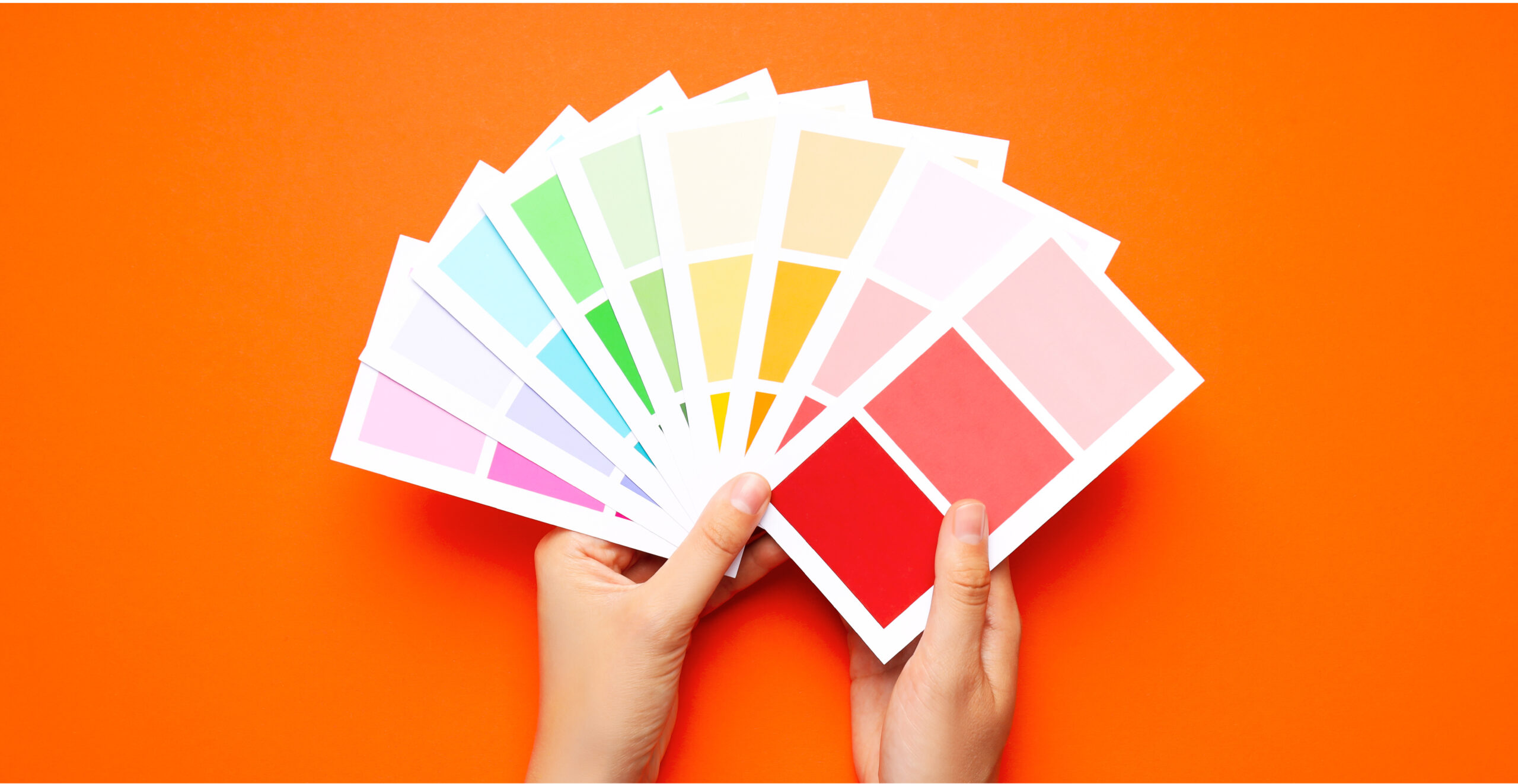
A cannabis color palette isn’t just about aesthetics; it’s a key part of brand identity. In today’s competitive cannabis market, color does more than make packaging look good; it shapes how customers feel about a product before they even pick it up. Each shade carries emotional weight, influencing everything from perceived quality to purchase intent.
Research shows that up to 90% of first impressions are based on color alone, proving that choosing the right cannabis brand design colors can determine whether your brand stands out or gets lost on the shelf.
Key Highlights
The Power of Color – A well-chosen cannabis color palette influences consumer perception, evokes emotion, and drives purchase decisions, making it a critical element of brand strategy.
Strategic Application – Effective palettes align with brand personality, product type, and audience expectations, while maintaining legibility, consistency, and accessibility across all packaging and marketing channels.
Trends and Psychology – Modern cannabis brands leverage color psychology and design trends (like bold minimalism, tactile effects, and eco tones) to stand out, build trust, and create memorable brand experiences.
Why Color Matters in Cannabis Packaging
Color isn’t just visual; it’s psychological. In cannabis packaging, it plays a direct role in shaping consumer behavior. Studies show that most purchase decisions happen in seconds, often driven by emotional cues rather than logic. That means your cannabis branding color palette can be the deciding factor between a sale and a pass.
Here’s how the right palette can influence your brand’s success:
Capture attention. Vibrant, balanced colors help your products stand out on crowded dispensary shelves.
Communicate meaning. Different hues signal product type, quality, and even effects (like soothing greens for relaxation or energetic yellows for creativity).
Build loyalty. Consistent use of color across your packaging, website, and marketing creates familiarity and trust over time.
Boost recognition. A cohesive cannabis color palette can increase brand recall and trust by as much as 80%.
How to Build Your Cannabis Color Palette
Building an effective cannabis color palette starts with clarity: knowing your brand personality, understanding your audience, and defining the emotional response you want to create. Successful cannabis brands approach color strategically, using it as a visual language that connects product experience with consumer perception.
Here’s a practical framework to guide your process:
1. Define Your Brand Personality
Ask what your brand represents (luxury, wellness, creativity, calm, or energy). Each trait aligns with specific color choices. Keeping this consistent across packaging, marketing, and online channels reinforces your identity and strengthens brand recognition.
2. Connect Product Attributes to Color
Different cannabis products and strains naturally align with unique color families that reflect their effects and mood:
Indica – Deep purples and cool blues evoke calm and relaxation.
Sativa – Bright yellows, greens, and oranges express creativity and energy.
Hybrid – Soft greens, muted purples, and neutrals represent balance and harmony.
CBD Products – Clean whites, light greens, and blues signal purity and wellness.
3. Choose Primary, Secondary, and Accent Colors
Your primary color should communicate your brand’s core identity, while secondary and accent colors create depth and distinction between products or strains. This hierarchy keeps your design cohesive and visually engaging.
4. Test and Refine
Colors behave differently across packaging materials, digital screens, and lighting. Use mockups to test shelf appeal and online presentation. Refine until your palette delivers consistent impact everywhere your brand appears.
Color Psychology for Cannabis Brands
Color psychology plays a major role in shaping how consumers interpret the best color palette for cannabis brands.
Every hue carries emotional meaning and influences how your brand is perceived, from calming and trustworthy to bold and adventurous. Understanding these associations helps you choose colors that support your product’s purpose and connect authentically with your audience.
Below is a breakdown of how specific colors impact cannabis branding today:
Green: The Freshness of Nature
Symbolism – Growth, wellness, balance, and sustainability.
Use Case – Best for eco-conscious or natural cannabis brands that emphasize organic cultivation or holistic wellness.
Caution – Since green dominates the cannabis industry, rely on secondary tones or textures to keep your packaging distinctive.
Red: The Power of Excitement
Symbolism – Energy, confidence, and stimulation.
Use Case – Effective for bold, high-potency strains or products that evoke passion and intensity.
Caution – Use sparingly. Too much red can feel aggressive or signal danger.
Blue: The Psychology of Calm
Symbolism – Trust, reliability, and tranquility.
Use Case – Ideal for premium, medical, or wellness-focused cannabis lines that aim to inspire calm.
Caution – Overuse can create a cold or distant tone.
Yellow: The Brightness of Optimism
Symbolism – Creativity, happiness, and warmth.
Use Case – Perfect for sativa-dominant or mood-boosting products.
Caution – Excessive yellow may cause visual strain or anxiety.
Orange: The Vibrancy of Youth
Symbolism – Enthusiasm, confidence, and playfulness.
Use Case – Appeals to younger audiences and lifestyle-driven brands.
Caution – Less suitable for luxury or medical-focused products.
Purple: The Richness of Sophistication
Symbolism – Royalty, mystery, and relaxation.
Use Case – Works well for indica strains or upscale cannabis brands.
Caution – Deep purples can feel heavy without balancing lighter accent colors.
Pink: The Playfulness of Expression
Symbolism – Creativity, approachability, and warmth.
Use Case – Common in feminine or lifestyle-focused cannabis branding.
Caution – Can appear gendered. Ensure to balance with neutral or natural tones.
Black: The Elegance of Minimalism
Symbolism – Power, exclusivity, and sophistication.
Use Case – Perfect for minimalist or premium cannabis products.
Caution – May appear harsh without metallic or bright accents for contrast.
White: The Purity of Simplicity
Symbolism – Cleanliness, clarity, and quality.
Use Case – Ideal for CBD and wellness brands that emphasize purity and transparency.
Caution – Can feel sterile if not paired with soft neutrals or natural textures.
Sample Cannabis Color Palettes (with HEX Examples)
Below are a few ready-to-use cannabis color palettes that illustrate how tone can align with product purpose.
Relax (Indica) Palette
Deep Plum – #4B244A
Midnight Blue – #2B3A67
Sage Green – #A3B18A
Energy (Sativa) Palette
Bright Lime – #C1FF72
Warm Yellow – #FFD60A
Burnt Orange – #FF6F00
Wellness (CBD) Palette
Soft Blue – #B5D3E7
Cream – #F5F3E7
Olive Green – #7C9473
Luxury (Premium Brand) Palette
Jet Black – #0B0C10
Gold Accent – #D4AF37
Ivory – #FAF6F0
Trends in Cannabis Color Design
Modern cannabis packaging color trends reflect a shift toward sophistication and sensory appeal.
Today’s leading brands are moving away from clichéd “green leaf” visuals and experimenting with textures, contrast, and emotion-driven color combinations. The goal isn’t just to look appealing; it’s to communicate values like sustainability, creativity, and premium quality through design.
Here are some of the most effective color trends shaping the cannabis industry:
Matte black with metallic accents – Creates a sleek, high-end look that appeals to luxury consumers.
Retro typography with pastel hues – Combines nostalgia with approachability, perfect for lifestyle or wellness brands.
Eco-inspired tones – Earthy greens, natural neutrals, and recycled textures signal environmental responsibility.
Fluorescent pops on dark bases – Bright accents highlight product details and attract attention on both shelves and screens.
These design approaches balance visual impact with brand storytelling, helping products stand out in dispensaries and digital marketplaces alike.
Practical Tips for Color Application
Choosing your cannabis color palette is only half the job: how you apply it determines how effective your branding will be. Thoughtful color use improves readability, builds trust, and ensures your design works across every touchpoint, from packaging to digital ads.
Here are a few practical tips to get it right:
Prioritize contrast and legibility. Make sure strain names, dosage details, and legal information remain clear against background colors. High-contrast designs enhance both readability and compliance.
Maintain visual consistency. Use the same hues and tones across product lines to create instant brand recognition and cohesive storytelling.
Check accessibility. Test your color palette with color-blindness simulators or online accessibility tools to ensure all customers can engage with your design.
Match color to brand emotion. Every shade should align with your brand’s story, target audience, and desired emotional impact, whether it’s calm, creativity, or luxury.
Final Word
A thoughtful cannabis color palette does more than make your packaging look appealing; it creates emotional resonance. When color choices align with your brand story and audience values, they become powerful tools for connection and recognition.
By understanding color psychology and applying it with intention, cannabis brands can craft designs that stand out, build trust, and inspire loyalty. From calming greens to bold metallics, every hue has the potential to influence how consumers feel and what they choose.
Color isn’t just visual; it’s strategic. When used effectively, it strengthens identity, drives sales, and helps your brand leave a lasting impression in an increasingly competitive market.
Looking to create a cannabis color palette that truly connects with your audience? Custom 420 Supply can help. Our team of in-house designers works directly with brands to craft color strategies that elevate packaging, convey your story, and make your products unforgettable. We invite you to reach out through our contact page today!
Frequently Asked Questions (FAQs)
What color palettes work best for cannabis brand identity?
Effective palettes align with your brand personality and product type. Greens, purples, and blues communicate wellness or relaxation, while oranges and yellows convey energy and creativity. Luxury lines often use black, gold, and cream for sophistication.
How do color psychology and cannabis branding intersect?
Color psychology influences consumer perception, emotion, and purchasing decisions. By choosing colors that reflect your brand’s story and product effects, a cannabis color palette can trigger trust, excitement, or calm, directly impacting conversions and loyalty.
What are emerging color palette trends in cannabis product packaging?
Current trends include bold minimalism, retro-inspired pastels, eco-friendly earthy tones, and metallic accents. Fluorescent highlights and tactile finishes are also popular, helping products stand out on shelves and in digital marketplaces.